Why Chai Deserves a Spot in Your Daily Routine
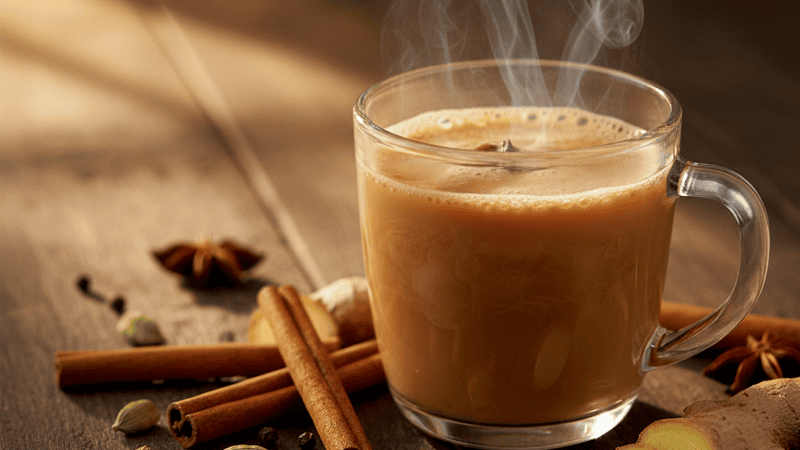
There is something about a freshly brewed cup of masala chai that no other drink quite replicates. It is not just the warmth or the caffeine — it is the way the spices hit you in layers. First the sharp bite of ginger, then the floral sweetness of cardamom, and finally that deep malty backbone from a strong Assam black tea. Every sip tells a story.
I started brewing chai at home about six years ago after tasting a cup from a street vendor in Jaipur. That single glass — served in a tiny clay kulhar — ruined coffee for me entirely. Since then, I have gone through hundreds of spice combinations, ratios, and techniques, and I want to share what actually works.
Whether you are completely new to brewing chai at home or you have been making it for years and want to tighten up your method, this guide walks through everything: the spices, the ratios, the common mistakes, and a few tricks that make a genuine difference.
The Five Essential Chai Spices
Every chai blend starts with spices. You can get as exotic as you want eventually, but these five form the foundation that has worked across Indian kitchens for generations.
Cardamom — The One You Cannot Skip
Green cardamom is the backbone of great chai. It brings a floral, almost citrusy sweetness that balances the tannins in black tea. Crack the pods open before adding them to the pot — this releases the tiny black seeds inside, where all the flavor lives. Two to three pods per cup is the sweet spot.
Ginger — Fresh, Not Powdered
This is the spice that separates good chai from forgettable chai. Fresh ginger root delivers a bright, peppery heat that dried powder simply cannot match. Slice it thin or crush it with the flat side of a knife. About a one-inch piece per cup gives you that signature warmth without overpowering the other spices.
Beyond flavor, ginger is one of the reasons chai has earned a reputation as a digestive aid. It stimulates gastric motility and has well-documented anti-nausea properties. There is a reason your grandmother reached for ginger tea when your stomach was off.
Cinnamon — Go for Ceylon
Not all cinnamon is created equal. Ceylon cinnamon (the “true” cinnamon) is milder and more complex than the Cassia variety you find in most grocery stores. For chai, a single small stick per pot is enough. It brings a gentle sweetness that lets you cut back on sugar without missing it.
Cinnamon also contributes to blood sugar regulation — multiple clinical studies have shown it can improve insulin sensitivity. That makes chai a surprisingly smart choice for people watching their glucose levels.
Cloves — Use Them Sparingly
Whole cloves are intense. Two or three per pot is plenty. They add a warm, slightly numbing depth that rounds out the blend. Go overboard, though, and cloves will bulldoze every other flavor in the cup. Start with fewer than you think you need.
Black Pepper — The Quiet Workhorse
A few cracked black peppercorns add a subtle heat that ties the blend together. You will not taste “pepper” in the finished chai, but you will notice its absence if you leave it out. Pepper also contains piperine, a compound that enhances the bioavailability of curcumin and other nutrients — one of those small details that makes chai more than just a tasty drink.
How to Brew Chai: Step by Step
Here is the method I have settled on after years of trial and error. It works every time.
What You Need
- 1 cup water
- 1 cup whole milk (or oat milk for a dairy-free version)
- 2 tablespoons loose-leaf CTC Assam tea (or one strong black tea bag in a pinch)
- 2-3 green cardamom pods, cracked
- 1-inch piece of fresh ginger, sliced
- 1 small cinnamon stick
- 2-3 whole cloves
- 3-4 black peppercorns
- Sugar or honey to taste
The Process
- Start with cold water. Add it to a small saucepan and bring it to a boil.
- Add your spices first. Drop in the cardamom, ginger, cinnamon, cloves, and peppercorns. Let them simmer for two to three minutes. This step is where most people rush — those extra minutes of simmering extract the essential oils that define great chai.
- Add the tea leaves. Stir them in and let everything boil together for about one minute.
- Pour in the milk. Reduce the heat and let the mixture simmer on low for three to four minutes. Watch the pot — milk likes to boil over when you are not paying attention.
- Sweeten and strain. Add sugar to taste while the chai is still hot, then pour through a fine strainer into your cup.
The whole process takes about ten minutes. That might feel slow compared to dropping a tea bag in hot water, but the difference in flavor is not even close.
Common Mistakes to Avoid
- Steeping instead of simmering. Chai is not green tea. The spices and tea need to boil together with the milk to develop the right body and flavor.
- Using pre-ground spices. Whole spices hold their volatile oils far longer than pre-ground versions. If your cardamom smells like dust, it will taste like dust.
- Skipping the milk simmer. Adding cold milk at the end produces a thin, watery chai. The milk needs to cook with the tea and spices to create that signature creamy texture.
- Over-sweetening. Good chai should have enough spice complexity that it does not need much sugar. Start with one teaspoon per cup and adjust from there.
Health Benefits of Chai Spices
One of the things that drew me deeper into chai culture is how well the traditional spice blend aligns with modern nutritional research. These are not superfoods in the overhyped Instagram sense — they are ingredients with genuine, well-studied health properties.
Anti-Inflammatory Properties
Ginger and cinnamon are both potent anti-inflammatory agents. Multiple meta-analyses have found that daily ginger supplementation significantly reduces C-reactive protein levels — a key inflammation marker — with reductions averaging around 0.8 mg/L. Chronic inflammation is linked to heart disease, diabetes, and a host of other conditions, so anything that moves the needle matters.
Digestive Support
Cardamom and ginger both stimulate the production of digestive enzymes, which is why chai has traditionally been served after meals in India. If you have ever felt bloated after a heavy dinner, a cup of spiced chai can genuinely help settle things down.
Antioxidant Content
Black tea itself is rich in theaflavins and thearubigins — antioxidants that form during the oxidation process. Cloves contribute additional antioxidant compounds, particularly eugenol. Together, they give chai a respectable antioxidant profile without needing to market it as a “detox” drink.
A Note on Caffeine
A standard cup of chai contains roughly 40 to 70 milligrams of caffeine — about half of what you would get from a cup of coffee. It is enough to wake you up without the jittery edge. If you are curious about how chai’s caffeine compares to other popular drinks, check out our chai vs matcha comparison for a detailed breakdown.
Regional Variations Worth Trying
One of the most rewarding things about exploring chai is discovering how much it changes from region to region. The five-spice base I described above is a solid starting point, but it is just one interpretation.
Kashmiri Kahwa
This version from northern India swaps black tea for green tea and adds saffron, almonds, and rose petals. It is lighter, more aromatic, and traditionally served without milk. Kahwa tastes nothing like masala chai, but it is equally compelling.
Sulaimani Chai
Popular in Kerala and across the Arabian Peninsula, Sulaimani is a black chai brewed without milk, finished with lime juice and a touch of sugar. It is surprisingly refreshing and works well after rich meals.
Turkish Cay
Not technically “chai” in the Indian sense, but the word shares the same root. Turkish tea is brewed in a double teapot (caydanlik), producing a concentrate that gets diluted with hot water. No spices, no milk — just strong, tannic black tea served in tulip-shaped glasses.
Each of these traditions proves the same point: tea is one of the most adaptable drinks on the planet. Start with the basics, then branch out.
Start Brewing Better Chai Today
You do not need fancy equipment or rare ingredients to make excellent chai at home. A saucepan, fresh spices, strong black tea, and ten minutes of your time will get you there. The key is patience — let the spices simmer, let the milk cook into the tea, and do not rush the process.
If you are trying to decide between chai and other popular tea options, our chai vs matcha guide breaks down the differences in caffeine, flavor, and health benefits side by side.
Grab some whole cardamom pods and a bag of Assam CTC. Your mornings are about to get significantly better.