Two Drinks, One Spice Route
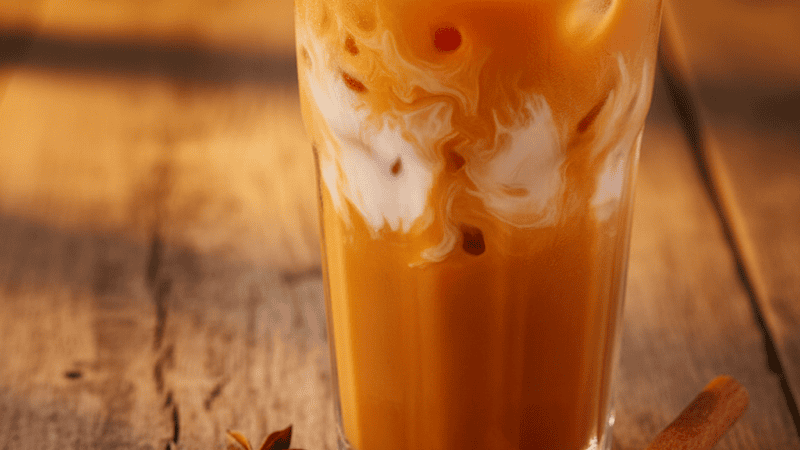
You would not think to group them together at first glance. Masala chai arrives warm, milky, and brown. Thai iced tea shows up electric orange, sweet, and ice-cold. They look like drinks from different planets.
But sit down with both in front of you and start tasting. Cardamom. Star anise. Cinnamon. That deep, sweet warmth underneath the surface. The spice overlap is not a coincidence — it is history. Specifically, it is centuries of trade between the Indian subcontinent and Southeast Asia, carried along maritime routes that moved not just goods but entire culinary vocabularies.
The connection between Indian chai and Thai tea is one of those stories hiding in plain sight. And once you see it, you cannot unsee it.
The Trade Routes That Built Both Drinks
India and Thailand have been trading for over two thousand years. Indian merchants brought textiles, gems, and — critically — spices to Southeast Asian ports long before European colonizers arrived. Tamil traders from southern India maintained such a significant presence in Thailand that their influence is still visible in Thai language, religion, and food.
The spices traveled both directions. Cardamom, cinnamon, and cloves moved east from India and Sri Lanka. Star anise moved west from China and Vietnam through Thai ports. Over centuries, these ingredients wove themselves into the local cuisines of every stop along the route.
When tea culture spread through the region — first through Chinese influence, then through British colonial habits in India — these existing spice traditions shaped how each culture prepared their cup. India layered its familiar masala into boiled black tea. Thailand blended its spice pantry with strong-brewed Ceylon tea and the condensed milk that became widely available in Southeast Asian markets during the late 19th and early 20th centuries.
Same spice families. Same general principle of bold-tea-plus-dairy. Completely different executions. If you have ever wondered why chai is not a single flavor but a global family of drinks, this is exhibit A.
The Shared Spice Cabinet
Here is where it gets interesting. Pull apart the spice blends in a traditional masala chai and a traditional cha yen (Thai iced tea), and the Venn diagram overlaps more than you would expect.
Star Anise: The Bridge Spice
Star anise is the ingredient that connects these two traditions most directly. In some Thai tea blends — particularly spiced commercial mixes — it is a notable flavor, lending that warm, sweet, licorice-adjacent note underneath all the sweetness and color. (Traditional Thai street-style cha yen is often simpler, relying on the tea and condensed milk alone, though spiced versions are common in commercial mixes and Western adaptations.) In Indian chai, star anise is less common but far from unknown. It shows up frequently in Kashmiri and Hyderabadi chai preparations, and it is one of the secondary spices many chai enthusiasts add once they have the core five dialed in.
The compound responsible is anethole, the same molecule found in anise seed and fennel. It has a natural sweetness that reduces the need for added sugar — something both drinks take advantage of, though Thai tea still leans heavily on condensed milk for its signature sweetness.
What makes star anise particularly interesting is its versatility. Drop a single pod into your next batch of masala chai and you will immediately notice how it rounds out the blend, adding a sweetness that does not come from sugar. It plays especially well with cardamom and cinnamon.
Cardamom in Both Traditions
Green cardamom is the heart of masala chai, and it appears in some spiced Thai tea blends as well, though in a more supporting role. Certain Thai tea mixes and Western-influenced recipes use it alongside vanilla to create that signature warm sweetness. In chai, cardamom runs the show — it is the first thing you should taste and the last thing that lingers.
Same ingredient, different hierarchy. That is the recurring theme with these two drinks. The spices are shared, but each tradition turns the volume knobs to different positions.
Cinnamon and Cassia
Both drinks use some form of cinnamon. Thai tea blends tend toward cassia (the stronger, more pungent variety commonly labeled “cinnamon” in most grocery stores). Indian chai also commonly uses cassia — sold as dalchini across India — though some regions and recipes call for milder Ceylon cinnamon, especially in southern India where it is more readily available. The effect is similar in both cases — a background sweetness that smooths out the tannins in the tea base — but the intensity differs depending on the variety.
If you are curious about how cassia versus Ceylon cinnamon changes a chai blend, it is worth experimenting. Swap one for the other in your usual recipe and you will taste the difference immediately. Cassia hits harder. Ceylon is more subtle and complex.
Cloves: The Quiet Anchor
Present in both traditions, though sparingly. Cloves add a deep, warm bass note that anchors the other aromatics. Neither drink uses many — two or three at most — because cloves will hijack any blend if you let them. This is one of those ingredients where less is almost always more.
What Makes Thai Tea Its Own Thing
The overlap is real, but Thai iced tea has its own distinct personality. A few things set it apart from anything in the Indian chai tradition.
The Orange Color
That vivid, almost neon orange hue is the first thing everyone notices about Thai tea. It comes from food coloring — typically Sunset Yellow (FD&C Yellow 6) and similar synthetic dyes in most commercial Thai tea mixes like the ubiquitous Cha Tra Mue brand. Some older traditional preparations achieved a similar tint using tamarind seed powder, turmeric, or annatto, though synthetic food dye is now standard in most products.
Does the coloring affect taste? Not directly. But it affects perception in a big way. That bright orange signals sweetness and indulgence before you even take a sip. It is visual branding built into the drink itself — and it works. You see that color and your brain starts expecting something rich and sweet.
Condensed Milk vs. Fresh Milk
This is the biggest structural difference between the two drinks, and it changes everything about how they taste.
Indian masala chai uses fresh whole milk, simmered directly with the tea and spices. It becomes part of the cooking process — the milk proteins bind with tannins, soften the spice edges, and create that characteristic creamy body. The milk is not added on top. It is cooked in.
Thai iced tea uses sweetened condensed milk, usually poured over the finished tea as a separate layer. Sometimes evaporated milk is swirled in too. The condensed milk adds a thick, syrupy sweetness that hits differently from fresh milk — more caramel-like, denser, almost like a dessert topping.
The result is that Thai tea leans heavily sweet while masala chai can be dialed anywhere from unsweetened to moderately sweet. If you have tried the instant vs authentic chai comparison, you know that the commercial chai versions often push the sweetness up toward Thai tea territory — which is exactly where authentic masala chai does not sit.
Serving Temperature
Masala chai is served hot. Always. (Well, almost always — iced chai exists, but it is not the tradition.) Thai tea is served over a mountain of ice. Always. Yes, hot Thai tea exists, but that is not what anyone actually orders at a Thai restaurant.
The ice-cold serving changes the flavor perception significantly. Cold mutes both bitterness and sweetness on the palate, which is why Thai tea can handle such a strong, tannic tea base without tasting harsh. It also explains why the condensed milk needs to be so sweet — at cold temperatures, you need more sugar to register the same level of sweetness.
Breaking Down the Flavor Profiles Side by Side
Here is a direct comparison to see the differences clearly:
- Tea base: Masala chai uses Assam CTC or a strong Indian black tea. Thai tea uses Ceylon black tea (or a local Assam-type variety).
- Dominant spice: Masala chai leads with cardamom. Thai tea leads with star anise.
- Sweetness level: Masala chai ranges from unsweetened to moderate. Thai tea is almost always very sweet.
- Dairy type: Masala chai uses fresh milk, cooked in. Thai tea uses condensed or evaporated milk, added after.
- Temperature: Masala chai is hot. Thai tea is iced.
- Color: Masala chai is brown to tan. Thai tea is bright orange.
- Richness: Masala chai is medium-bodied. Thai tea is thick and syrupy.
Different as they look on paper, they share the same DNA. Take the spice cabinet from either one and you could build a version of the other.
A Hybrid Recipe: Thai-Indian Fusion Chai
If you are curious about the crossover, here is a Thai-Indian fusion chai recipe that brings both traditions into one glass. Think of it as masala chai brewed with a Thai sensibility — spiced, iced, and served with a hit of condensed milk.
Ingredients (2 servings)
- 2 cups water
- 2 tablespoons strong Assam CTC or Ceylon black tea
- 3 green cardamom pods, cracked
- 1 whole star anise
- 1 small cinnamon stick
- 1 clove
- 1 thin slice fresh ginger
- 2 tablespoons sweetened condensed milk
- Ice
- Optional: a splash of evaporated milk for the layered look
Method
- Brew the spiced tea. Bring water to a boil. Add cardamom, star anise, cinnamon, clove, and ginger. Simmer for three minutes until you can smell the spices opening up.
- Add tea leaves. Stir in the tea, reduce heat, and steep for four minutes. You want it dark and robust — darker than you would normally brew for hot chai, because the ice will dilute it.
- Strain and sweeten. Pour through a fine strainer into a heat-safe pitcher or bowl. While still hot, stir in the condensed milk until fully dissolved.
- Cool. Let the mixture come to room temperature, then refrigerate for at least thirty minutes. Or the impatient method: pour it over a glass packed with ice and stir vigorously.
- Serve. Fill tall glasses with ice. Pour the spiced tea over the top. Add a splash of cold whole milk or evaporated milk on top for that layered Thai tea look.
The star anise makes itself known immediately — that sweet, licorice warmth layered over cardamom and ginger feels surprisingly natural, like these spices have been waiting to be combined in exactly this ratio. The condensed milk adds a richness that fresh milk alone cannot achieve. And the ice makes the whole thing dangerously drinkable.
Troubleshooting the Fusion
- Too sweet? Cut the condensed milk to one tablespoon and add a squeeze of lime. The acidity balances the sweetness — a trick borrowed from sulaimani chai.
- Spices too subtle after icing? Increase the star anise to two pods and simmer the spices for five minutes instead of three. Cold dulls spice perception, so you need to start stronger.
- Want it hot instead? Skip the ice and cooling step. Add fresh whole milk instead of condensed milk, simmer briefly, and serve. You basically end up with a star-anise-forward masala chai, which is excellent in its own right.
- Want a caffeine boost? Turn it into a dirty chai by adding a shot of espresso. The star anise and espresso combination is genuinely outstanding.
Other Thai-Inspired Chai Variations
Once you start thinking about these two traditions as related rather than separate, a lot of doors open:
- Lemongrass chai. Add two stalks of bruised lemongrass to your standard masala chai. This is a common addition in Thai tea preparations, and it brings a bright citrus note that pairs beautifully with cardamom and ginger.
- Coconut milk chai. Swap some or all of the dairy milk for coconut milk. This pulls the drink closer to Thai and Southeast Asian flavor territory while still maintaining the chai spice backbone.
- Tamarind chai. Add half a teaspoon of tamarind paste to the finished brew for a tart, complex twist. This one is not traditional in either country, but the sweet-sour-spice combination works.
The Bigger Picture
The connection between Indian chai and Thai iced tea is really a story about how flavors travel. Spices do not respect national borders. They follow trade winds, merchant ships, and migrating communities. They settle into new cuisines and get reinterpreted by every kitchen they pass through.
Masala chai and cha yen are cousins — born from the same spice trade routes, raised in different climates, and dressed in completely different styles. Understanding that link makes both drinks more interesting. It also opens up a whole world of experimentation. What happens when you add lemongrass, the way a Thai cook might? What about a dirty chai with star anise and condensed milk instead of regular milk? What if you brought in some of the floral elements that both cuisines use in other contexts?
The spice routes are still open. You just have to follow them from your kitchen.